
Tania de St Croix writes:
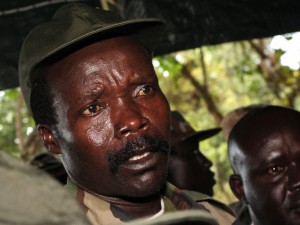
By far the most popular political cause amongst the young people I work with right now is Kony 2012, the campaign against the Lord’s Republican Army and its leader Joseph Kony.
For youth workers it’s great when young people tell us about campaigns and political action they are involved with, or when they raise complex global political issues. Over the past fortnight I have had more conversations about forced child soldiers in Uganda than I’ve had in the rest of my life. But there’s something deeply questionable about this campaign.
I would love to hear what other youth workers are hearing, what you think and how you are responding. Most of the young people I spoke with are moved and upset, keen to get involved with the campaign. They are also excited to feel that online media can make a difference. This is certainly a big opportunity to talk with young people about politics, justice and power – but it raises many dilemmas.
Why is this campaign suddenly so big, right now?
How was the campaign funded?
What does it tell us about how new media is used in campaigning? What are the opportunities and dangers of this?
How can we as youth workers encourage critical thinking and questioning without dampening the spirits of young people, many of whom have been inspired to take action on an issue of global justice for the first time?
How do we respond if young people suggest getting involved with the Kony 2012 campaign as part of the activities of the youth group?
The official campaign video is 30 minutes long. I found it unsettling – it’s certainly persuasive and moving, but something seems too slick, something not quite right – am I just being cynical?
http://vimeo.com/37119711
Here’s one of the critiques, only 6 minutes, which raises good questions but leaves most of them unanswered:
And this carefully argued piece is from the Independent blogosphere.
Stop Kony, yes. But don’t stop asking questions
Your responses appreciated.
 IN DEFENCE OF YOUTH WORK