
Back a decade or so ago the Youth & Policy History Conferences and the In Defence Of Youth Work national conferences coincided twice, the synergy between the two happenings on both occasions proving palpable. Held in Leeds at the unpretentious Burley Lodge and the stately Hinsley Hall respectively, the proceedings, according to one participant, were eclectic and energising. For my part the highlight in 2015 was a classic bravura performance, given by the always smartly attired Tony Jeffs, perched as was his wont on the front of a desk. His subject was ‘ The history of the first youth work training course’. His sympathetic sketch, not a note in sight, riddled with insight, wit and sarcasm, was a joy. I say sarcasm as I remember being on the end of one withering aside concerning the motivation for my early morning runs and cold showers.
And now you can access Tony’s specific look at the birth of youth work training within his sweeping and riveting reflection on the YMCA’s 135-year engagement across the world with the professional education of those working with young people. He examines both the innovations and tensions involved in the growth and experience of different programmes, and the factors that led to the decline of informal and youth work education within the YMCA. This important research is also available to download as a pdf.
He begins:
YMCA George Williams College (London) looked like closing at the end of 2020. Final year degree programmes, for the tiny residue of students yet to graduate, were taught out through Coventry University, whilst the further education department simply closed. Come 2021 all that remained was to tie up the administrative loose ends. Bizarrely the extant web page still proclaimed the College to be “the leading provider of Youth and Community training and qualifications across the UK”. This vainglorious boast underscores how precipitously thriving institutions can be brought to their knees. Sadly, the likely loss of an institution which made a valuable contribution to youth and community work education in Britain went unacknowledged. Equally, no recognition was forthcoming that its disappearance signified the end of the YMCA’s 135-year engagement with the professional education of youth workers. Subsequently, in 2022, the residue of the College merged with the Centre for Youth Impact. The focus of the new entity is on outcomes, ‘good data’ and ‘quality practice’. This marked a fundamental shift in emphasis away from the College’s concern with the ever-changing experiences of relationships, processes, and growth within community learning and development, and youth work. It confirmed that teaching a new generation of practitioners has ceased to be a priority and the cessation of undergraduate and post-graduate level education. It thereby signified the dénouement of an honourable chapter.
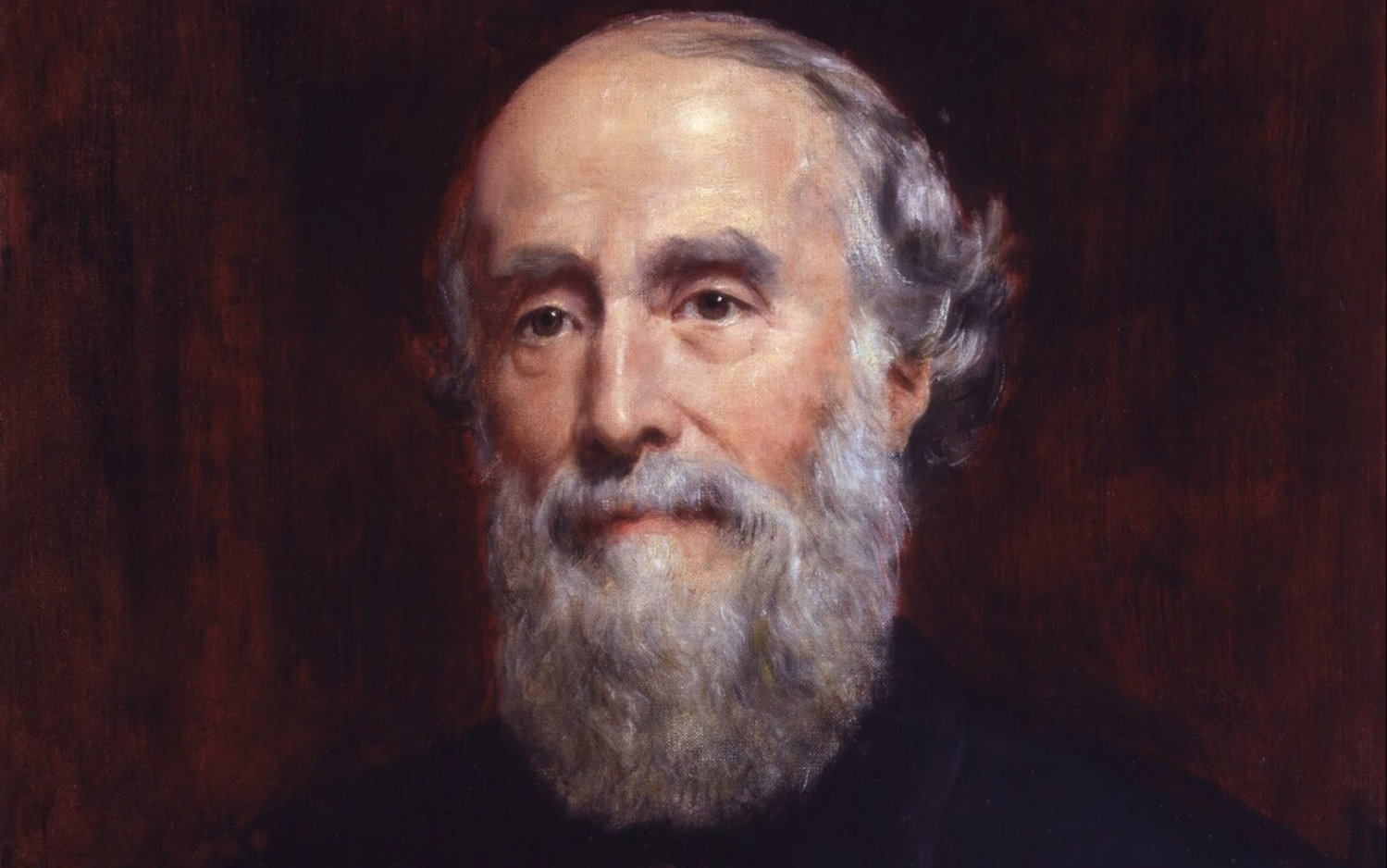
by John Collier. National Portrait Gallery
Find in its fascinating entirety on the the wonderful INFED web site at https://infed.org/mobi/ymca-and-the-development-of-informal-and-youth-work-education-2/
Contents: introduction | background | commencement | humanics | Chicago – beginnings | Nashville | overseas | drifting apart – Springfield | Chicago – victim of circumstance | London | farewell | bibliography
————————————————————————————————————————
 IN DEFENCE OF YOUTH WORK